
Discover Your Dream Home: Homes for Sale in Hampton, VA - 2026 Market Overview
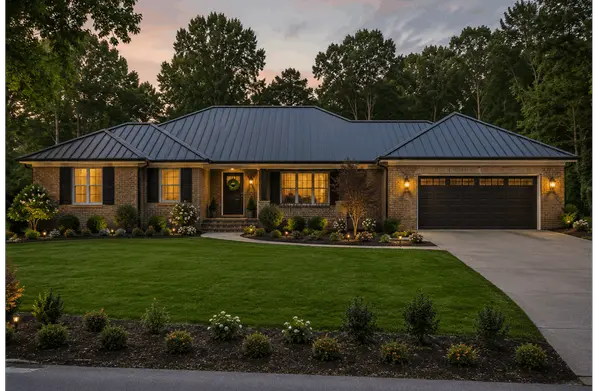
Homes for sale in Hampton VA during 2026 present a balanced mix of affordability and coastal access. According to Zillow, typical Hampton home values as of early 2026 fall broadly between $260,000 and $320,000, reflecting steady price growth over recent years. Neighborhoods from Buckroe Beach to Fox Hill and Coliseum Central offer varied property styles, from brick ranchers to newer townhomes. Understanding how inventory, pricing, schools, and amenities intersect across these submarkets helps buyers align lifestyle preferences with long-term investment goals.
How Is the 2026 Hampton, VA Housing Market Shaping Up?
According to Redfin, Hampton’s market in early 2026 shows a moderate pace, with many listings going under contract in roughly 20 to 35 days. This timeframe places Hampton between faster-moving Virginia Beach suburbs and slower rural areas on the Peninsula. Inventory across communities like Aberdeen Gardens, Phoebus, and Downtown Hampton remains relatively tight, yet not overheated. That balance gives buyers meaningful options while still supporting price stability for existing owners across key corridors such as Mercury Boulevard and Armistead Avenue.
Entry-level buyers often focus on neighborhoods near Big Bethel Road and Cunningham Drive, where townhomes and smaller single-family properties cluster near major employers. According to Realtor.com data for Q1 2026, listing prices for many starter homes commonly range from about $230,000 to $290,000. Those price bands create attainable paths to ownership for renters coming from apartment communities near Peninsula Town Center or along LaSalle Avenue who want more space and private yards.
Move-up buyers often prioritize larger homes in Fox Hill, Farmington, and areas near Sandy Bottom Nature Park. According to current figures from Zillow, many three- to four-bedroom properties in these zones cluster between roughly $320,000 and $420,000. Some waterfront and water-view homes near Grandview Beach and along Chesapeake Avenue can list far higher, with select luxury estates across Hampton Roads occasionally approaching $2.4M based on active upper-tier inventory.
Which Hampton Neighborhoods Stand Out for Buyers in 2026?
On summer evenings along Buckroe Beach, the salty air drifts across the boardwalk while waves roll in with a steady hush. Live music from nearby restaurants on North 1st Street mixes with the laughter of families lining up for ice cream at local stands. Streetlights cast a warm glow on updated cottages and condos facing Chesapeake Bay, giving the area near Buckroe Avenue a distinct coastal energy that appeals strongly to buyers seeking relaxed, walkable shoreline living.
Phoebus continues to attract attention for its historic storefronts along Mellen Street and proximity to Fort Monroe. According to neighborhood data from Walk Score, parts of Phoebus and Downtown Hampton earn walk scores in the mid-60s to low-70s, outperforming many car-dependent suburbs. That mix of independent restaurants, antique shops, and renovated loft spaces around East Queens Way supports a small-town main street feel while sitting only a few miles from Interstate 64 and major employment centers.
Coliseum Central and the Peninsula Town Center district appeal strongly to residents who prioritize modern amenities. Retail, dining, and entertainment options cluster along Mercury Boulevard and Cunningham Drive, within minutes of Bluebird Gap Farm and the Hampton Coliseum. According to population estimates from U.S. Census QuickFacts, Hampton’s city population of roughly 136,000 supports a robust commercial base in this corridor, which helps stabilize nearby home values while providing quick access to services.
How Do Schools and Education Options Influence Home Searches?
School performance plays a significant role in neighborhood selection across Hampton. According to GreatSchools, campuses such as Kecoughtan High School, Bethel High School, and Hampton High School receive varied ratings, encouraging buyers to compare boundaries carefully. Elementary options including Burbank Elementary, Barron Elementary, and Phillips Elementary also influence where families concentrate. Proximity to schools near Big Bethel Road, Saunders Road, and Fox Hill Road can affect price premiums, especially for homes located within short walking or biking distances.
Higher-education infrastructure adds another dimension. Hampton University’s waterfront campus along the Hampton River brings a steady stream of faculty, staff, and graduate students who value nearby housing in Phoebus, Downtown Hampton, and along Settlers Landing Road. Thomas Nelson Community College’s Hampton campus off Butler Farm Road also supports rental demand and entry-level purchases nearby. According to enrollment information summarized by Hampton University, thousands of students attend each year, helping sustain demand for condos, duplexes, and smaller single-family homes close to campus.
Families frequently weigh commute patterns to Langley Air Force Base and Joint Base Langley-Eustis alongside school zoning. According to commute statistics compiled by U.S. Census ACS data, many Hampton workers report average one-way travel times in the range of 20 to 30 minutes. Neighborhoods near North Armistead Avenue, King Street, and LaSalle Avenue offer routes that minimize both school drop-off times and daily commuting, making them attractive for households balancing education priorities with work schedules.
What Lifestyle Amenities Add Value Around Hampton’s Listings?
On crisp fall mornings in Sandy Bottom Nature Park, the scent of pine and damp earth rises from shaded trails as joggers pass quiet ponds glinting in soft sunlight. Bird calls echo across the water while leaves crunch underfoot near the Big Bethel Road entrance. Afterward, many residents head toward nearby Big Bethel Reservoir or coffee shops along Coliseum Drive, where the warmth of freshly brewed espresso contrasts with the cool air drifting in when doors swing open.
Parks and waterfront access stand out as defining features of homes for sale in Hampton VA. According to the City of Hampton’s Parks, Recreation & Leisure Services, the city operates more than 30 parks, including Gosnold Hope Park, Briarfield Park, and Darling Stadium athletic fields. Properties near these green spaces, as well as along Chesapeake Avenue facing Hampton Roads harbor, often command premiums because of jogging paths, playgrounds, and open-water views that enhance daily quality of life.
Cultural and recreational attractions complement outdoor amenities. Air Power Park along Mercury Boulevard, the Virginia Air & Space Science Center on Settlers Landing Road, and events at Hampton Coliseum draw visitors from across the region. According to tourism figures referenced by Visit Hampton, city attractions collectively host hundreds of thousands of visitors each year. That activity supports restaurants in Downtown Hampton, shopping at Peninsula Town Center, and hospitality-related jobs, which in turn help sustain housing demand in adjacent neighborhoods.
What Strategies Help Buyers Compete for Homes for Sale in Hampton VA?
Competition levels shift by price range and neighborhood, making preparation essential. According to market analysis from Redfin, Hampton’s sale-to-list price ratios in early 2026 often hover around 99%, indicating that many homes sell close to asking. In moderately priced pockets of Fox Hill, Tide Mill, and Wythe, multiple-offer situations remain common for updated homes. Buyers who enter with clear budgets and flexible closing timelines typically navigate these scenarios more effectively than those reacting slowly.
Financing readiness also matters. FHA loans requiring minimum down payments of about 3.5% remain popular among first-time purchasers in Hampton, as outlined by HUD. Conventional mortgages with 5% to 10% down compete strongly in higher-priced segments near waterfront streets like Chesapeake Avenue and Bay Shore Lane. Aligning pre-approval amounts with realistic listing ranges in desired school zones around Kecoughtan High School or Bethel High School reduces the risk of repeated disappointments after tours.
Inspection and appraisal conditions influence success rates as well. According to guidance shared by the Virginia Peninsula Association of REALTORS®, offers that balance reasonable contingencies with strong earnest money deposits often stand out in multiple-offer environments. In Hampton, earnest money amounts frequently fall between $2,000 and $5,000 on typical single-family transactions. Tailoring timelines to accommodate appraisers and inspectors familiar with older housing stock in Aberdeen Gardens, Wythe, and Olde Wythe helps keep contracts on track.
The range between $260,000 and $320,000 cited at the start of this guide reflects a 2026 Hampton market where affordability and coastal amenities intersect in a relatively rare combination for a mid-Atlantic city. That same price band from the opening underscores how modest shifts in mortgage rates or inventory can noticeably change monthly payment obligations and neighborhood access. The Virginia Peninsula Association of REALTORS® market reports provide one of the clearest recurring snapshots of listing counts, median prices, and contract speeds across the Peninsula. Buyers who monitor those monthly updates and register listing alerts through MLS-connected portals before the spring surge, then submit showing requests within 24 to 36 hours of new listings, consistently gain first position for desirable Hampton properties while less prepared shoppers face shrinking options and higher winning bids.
FROM OUR BLOG
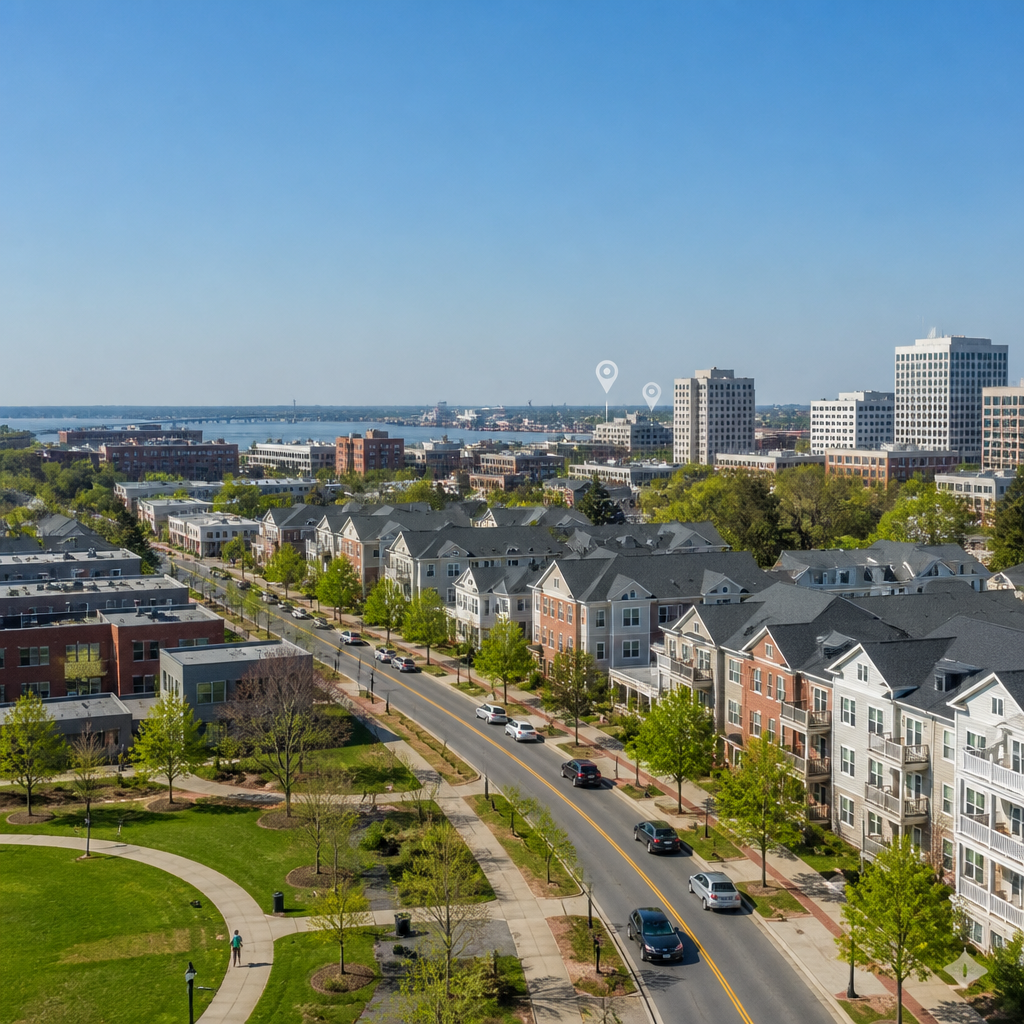
Buying Foreclosures in Newport News, VA: A Complete 2026 Guide
Buying Foreclosures in Newport News, VA: A Complete 2026 Guide Buying foreclosures in Newport News VA during 2026 demands clear data, local knowledge, and disciplined strategy. According to ATTOM, national foreclosure filings in early 2024 affected roughly 0.14% of housing units, and Hampton Roads m
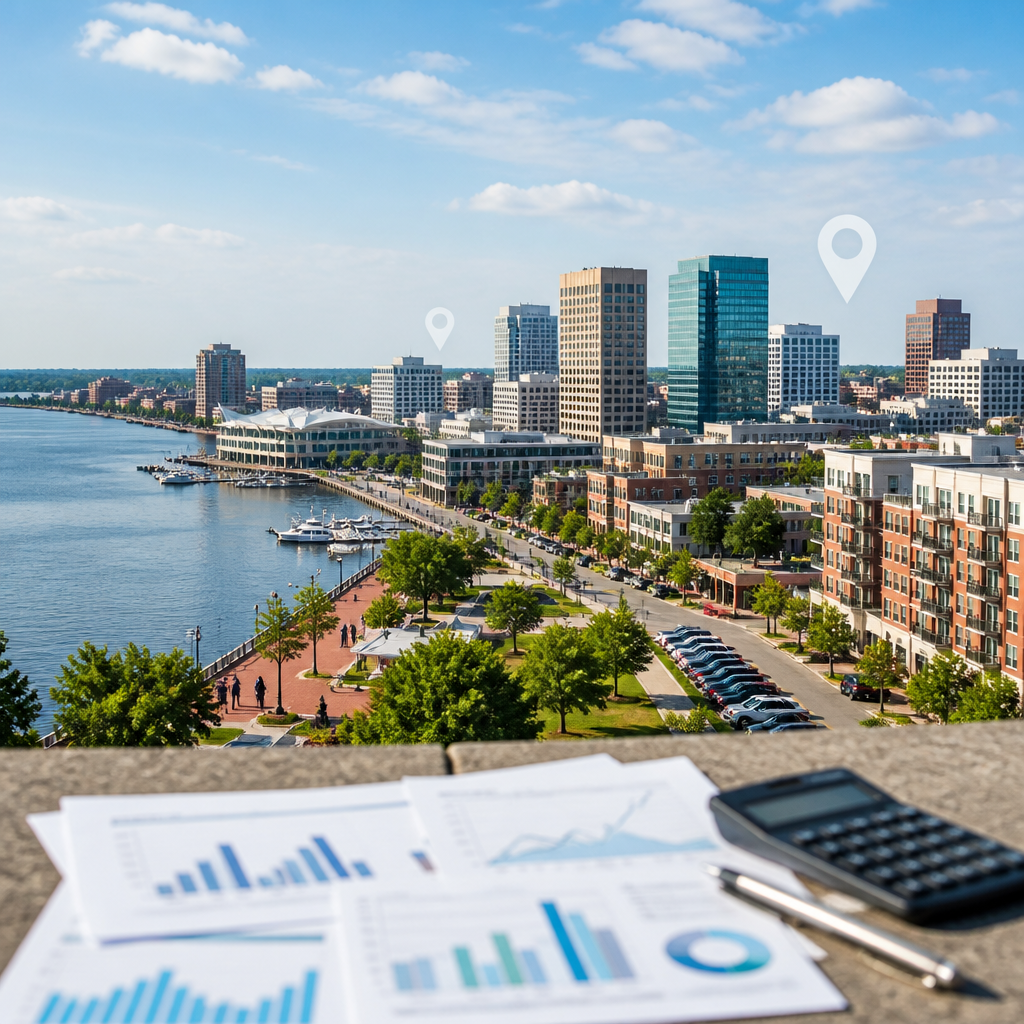
Relocation Guide to Norfolk, VA: What You Need to Know in 2026
Relocation Guide to Norfolk, VA: What You Need to Know in 2026 Norfolk offers a rare mix of deep maritime history, academic energy, and expanding job sectors, making relocation decisions increasingly focused on this coastal city. According to U.S. Census QuickFacts, Norfolk’s population stood near 2
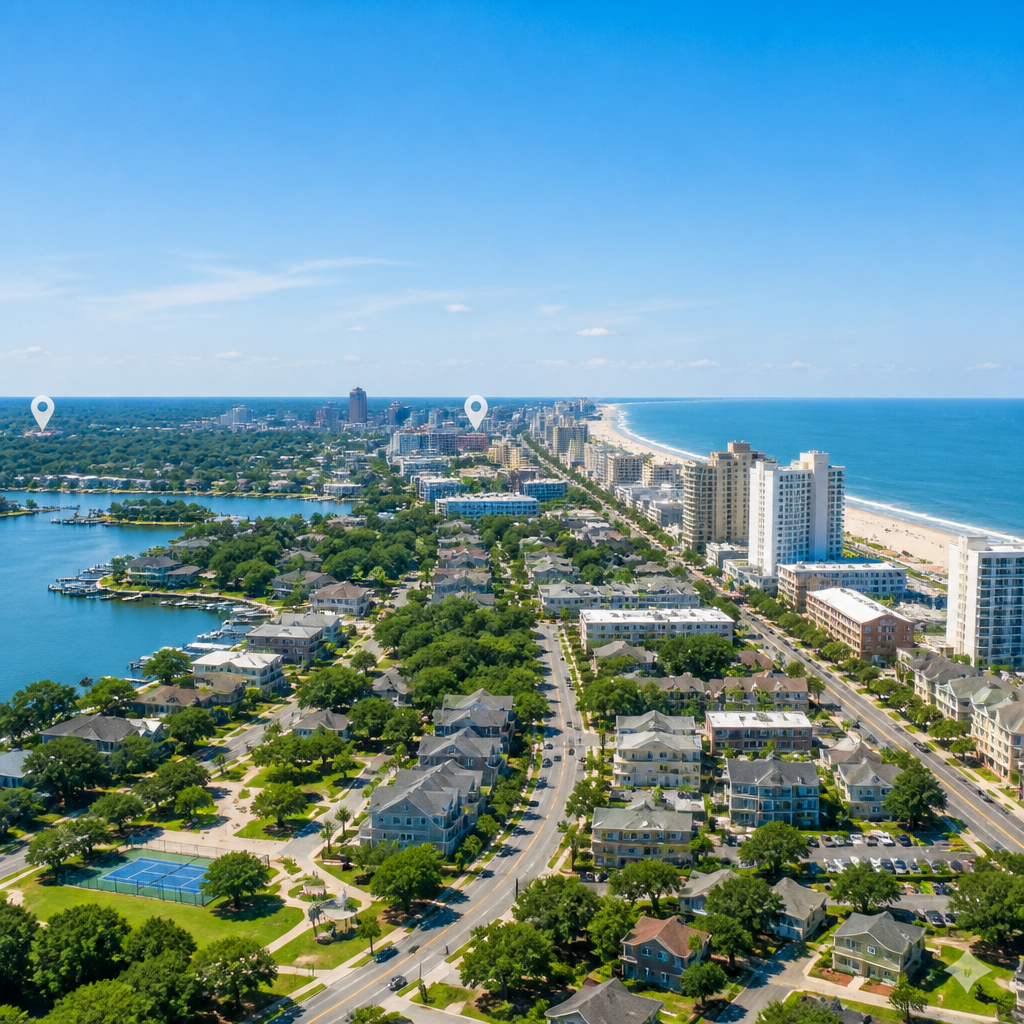
Virginia Beach Neighborhood Guide: Explore the Best Areas to Live in 2026
Virginia Beach Neighborhood Guide: Explore the Best Areas to Live in 2026 Virginia Beach combines oceanfront energy, suburban comfort, and rural calm in one expansive coastal city. According to U.S. Census Bureau QuickFacts, Virginia Beach holds roughly 459,470 residents as of recent estimates, maki