
Buying Foreclosures in Newport News, VA: A Complete 2026 Guide
Buying foreclosures in Newport News VA during 2026 demands clear data, local knowledge, and disciplined strategy. According to ATTOM, national foreclosure filings in early 2024 affected roughly 0.14% of housing units, and Hampton Roads markets reflect similar proportions. Properties across Denbigh, Hilton Village, and Oyster Point appear at discounts ranging from 5% to 20% compared with nearby retail listings, based on 2025 data from Zillow. Understanding how those discounts intersect with condition, location, and financing terms shapes actual long-term value.
How does the 2026 foreclosure landscape look in Newport News, VA?
Foreclosure activity in Newport News follows national cycles but responds strongly to local employment at Newport News Shipbuilding and military installations near the James River Bridge. According to RealtyTrac, distressed listings in Newport News during late 2024 represented between 3% and 6% of inventory, varying by quarter. Neighborhoods around Warwick Boulevard and Jefferson Avenue often show clusters of bank-owned properties where previous owners faced job transfers or rising repair costs.
Pricing bands for foreclosures tend to track the broader market, but at different spreads. Based on 2025 data from Redfin, typical Newport News sale prices range between $260,000 and $320,000, while many foreclosures close closer to $220,000 to $280,000 after repairs. The widest discounts often appear in older housing stock near Lee Hall and parts of Denbigh, where dated systems and deferred maintenance limit buyer pools.
Pipeline dynamics matter as much as current active listings. According to HUD Home Store, Virginia regularly carries several hundred HUD-owned homes, with a modest but consistent share in Newport News ZIP codes such as 23601, 23602, and 23608. Monitoring pre-foreclosure notices and auction calendars near City Center at Oyster Point, Port Warwick, and Menchville helps investors anticipate upcoming opportunities before they appear on mainstream listing portals.
Which Newport News neighborhoods offer the strongest foreclosure opportunities?
Location influences both acquisition price and long-term rent or resale strength. The corridor around City Center at Oyster Point, Canon Boulevard, and Town Center Drive combines office employment, retail, and access to Interstate 64. According to Walk Score, parts of central Newport News score between 55 and 70 for walkability, higher than many outlying suburbs. Foreclosure homes within walking distance of City Center restaurants and the Marriott at City Center often lease faster once renovated.
Evening visits near Port Warwick reveal details that financial spreadsheets miss. Music from the central fountain plaza mixes with the aroma of grilled seafood from Fin Seafood and coffee from Aroma's, while soft lighting from brick townhomes reflects on the wet brick after a light rain. Renovated foreclosure units along Loftis Boulevard or Nat Turner Boulevard benefit from this sensory appeal, creating stronger emotional pull for future tenants and buyers walking past the cafés and sculpture-lined sidewalks.
Further north, Denbigh and neighborhoods near Menchville High School and Rivermont offer larger lot sizes and more traditional single-family layouts. According to GreatSchools, Menchville High carries ratings in the mid range for Virginia schools, supporting steady demand for nearby housing. Foreclosure opportunities here often involve homes built between the 1960s and 1980s, where cosmetic updates on kitchens, roofs, and windows can unlock spreads of $25,000 to $50,000 between purchase-plus-rehab and stabilized value.
What financing and cost factors shape returns when buying foreclosures in Newport News VA?
Financing strategies strongly influence total return. Federal Housing Administration guidelines allow down payments as low as 3.5% for qualified buyers, according to the Consumer Financial Protection Bureau. However, many foreclosures near Huntington Park or Hilton Village fail standard property condition tests for traditional FHA without repair escrows. Investors often rely on conventional loans with 20% down or specialized renovation products such as FHA 203(k) or Fannie Mae HomeStyle to finance both acquisition and repairs in a single package.
Carrying costs in Newport News remain moderate compared with other East Coast metros. The City of Newport News real estate tax rate stands at roughly $1.22 per $100 of assessed value, according to the City Treasurer. On a foreclosure purchased for $240,000, annual property taxes run near $2,900 to $3,100, depending on assessment timing. Insurance premiums increase when homes sit vacant during renovation, so many investors budget an additional 15% to 25% above standard landlord policy costs.
Rehabilitation budgets often determine whether a foreclosure pencil out. Roof replacements on mid-century properties near Warwick High School or Heritage High School frequently range from $9,000 to $15,000. Full HVAC replacement might add another $7,000 to $10,000. According to renovation surveys by Remodeling Magazine, midrange kitchen projects in the Mid-Atlantic average around $78,000 for full-scale work, though targeted foreclosure upgrades often fall between $15,000 and $30,000 when focusing on surfaces, appliances, and lighting rather than full layout changes.
How can buyers manage risks and renovation challenges on distressed Newport News homes?
Risk management begins before any offer reaches a bank or auctioneer. Title research on properties near Newport News Park, the Mariners' Museum and Park, or the Virginia Living Museum often uncovers unpaid HOA dues, municipal liens, or code violations. According to guidance from the Virginia Institute for Housing Innovation, unexpected liens can add $5,000 to $20,000 to total project costs if not resolved before closing. Ordering a title search and reviewing Newport News code enforcement records reduces surprises after acquisition.
Renovation walks through older cottages in Hilton Village feel different from touring newer brick homes off Jefferson Avenue. Sunlight filters through original leaded-glass windows, highlighting the worn grain of hardwood floors and the faint scent of plaster dust and old pipe solder. Outside, the muffled hum of traffic on Warwick Boulevard contrasts with the crisp tapping of hammers from nearby restoration projects, reminding visitors that every distressed property sits within a living streetscape that future residents will hear and see daily.
Scope creep presents another common hazard. A foreclosure near Deer Park might appear to need cosmetic updates, yet inspection could reveal galvanized plumbing or aluminum wiring requiring full replacement. Experienced contractors often recommend contingency reserves of at least 10% to 15% of the projected rehab budget. According to cost breakdowns from HomeAdvisor, unexpected structural issues can raise total renovation spend by $8,000 to more than $25,000, quickly eroding perceived discounts if not modeled in advance.
What step-by-step process leads from search to closing on Newport News foreclosures?
Effective foreclosure acquisition in Newport News follows a repeatable pipeline. Many investors begin by tracking HUD properties, bank-owned listings, and auction notices. Resources such as Zillow, RealtyTrac, and local MLS feeds display homes around Patrick Henry Mall, Jefferson Lab, and Riverview Farm Park. Filters for days-on-market, price reductions, and property age highlight candidates most likely to accept aggressive offers or allow sufficient time for due diligence.
Once a target emerges, detailed underwriting begins. Comparable sales within a half-mile radius along Warwick Boulevard, Jefferson Avenue, and Oriana Road help establish after-repair value. Investors often apply conservative assumptions, aiming for purchase plus rehab costs under 70% to 80% of projected resale price to leave room for commissions and carrying expenses. According to transactional data compiled by Redfin, competitively priced homes in Newport News often reach pending status within 15 to 30 days, so rapid underwriting remains essential.
Execution at contract and closing requires coordination with asset managers, title companies, and contractors. Bank-owned sellers around City Center at Oyster Point or Port Warwick frequently use standardized addenda that limit repairs and demand strict deadlines. Appraisals must support both purchase price and rehabilitation value when renovation financing enters the picture. Final walkthroughs confirm that utilities function and property condition matches earlier inspections, particularly in colder winter months when frozen pipes near the James River waterfront can create last-minute hazards.
The national foreclosure filing rate of roughly 0.14% cited at the start of this guide reflects a market where timing and precision matter more than sheer volume in Newport News. That same 0.14% figure from the opening underscores how selective targeting among a relatively small pool of distressed properties drives outsized outcomes. The Virginia Peninsula Association of REALTORS market reports provide timely snapshots of listing inventory and distressed activity. Buyers who monitor those reports closely and register listing alerts by late March, then submit offers within 24 to 48 hours of suitable foreclosures appearing before the spring surge, consistently secure stronger positions, while delayed actors by early summer often encounter higher prices, thinner discounts, and narrower renovation margins.
FROM OUR BLOG
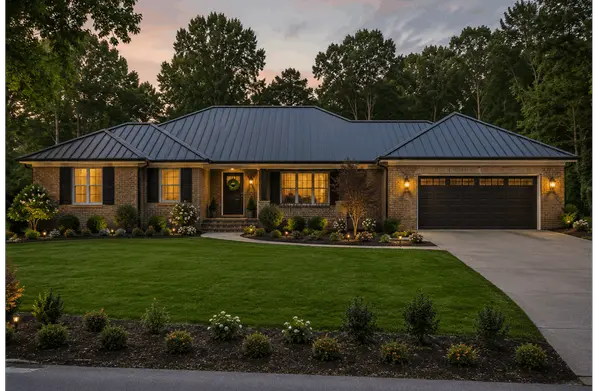

Discover Your Dream Home: Homes for Sale in Hampton, VA - 2026 Market Overview
Discover Your Dream Home: Homes for Sale in Hampton, VA - 2026 Market Overview Homes for sale in Hampton VA during 2026 present a balanced mix of affordability and coastal access. According to Zillow, typical Hampton home values as of early 2026 fall broadly between $260,000 and $320,000, reflecting
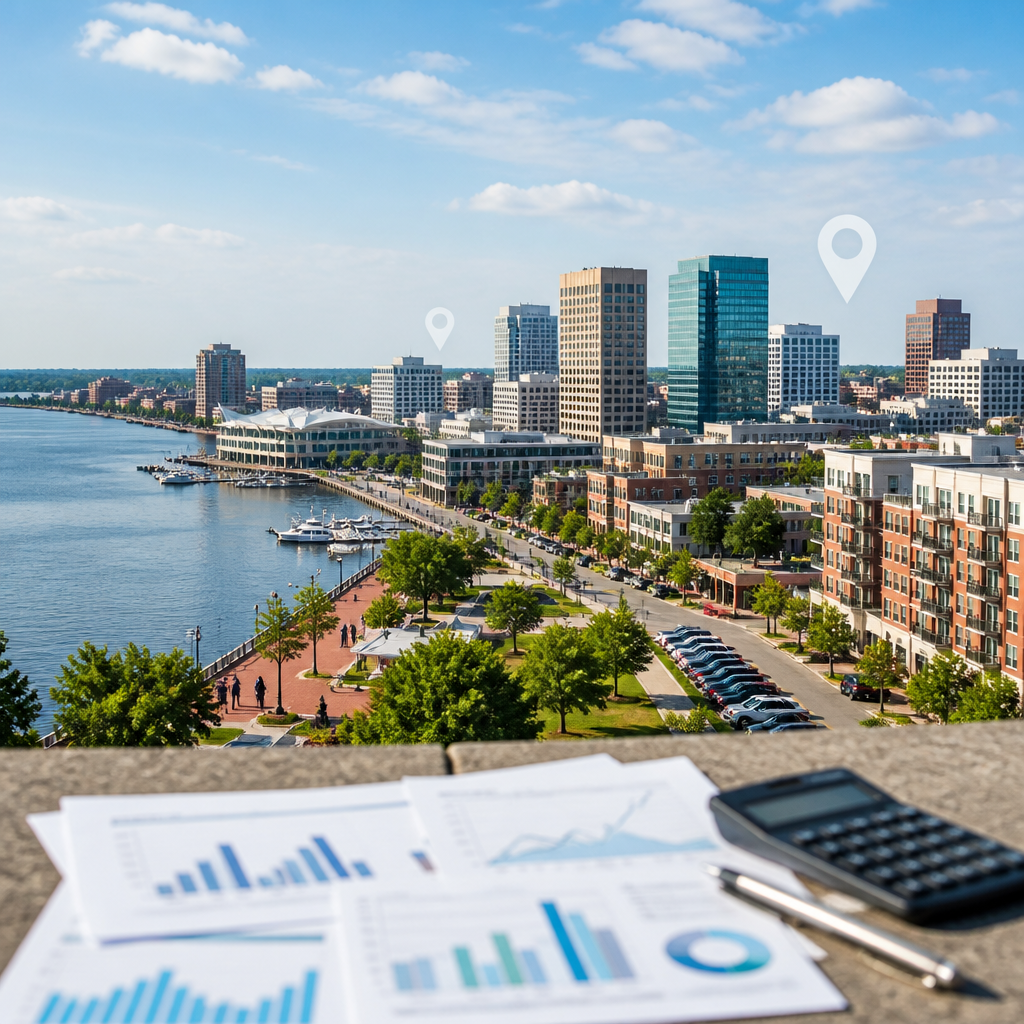
Relocation Guide to Norfolk, VA: What You Need to Know in 2026
Relocation Guide to Norfolk, VA: What You Need to Know in 2026 Norfolk offers a rare mix of deep maritime history, academic energy, and expanding job sectors, making relocation decisions increasingly focused on this coastal city. According to U.S. Census QuickFacts, Norfolk’s population stood near 2
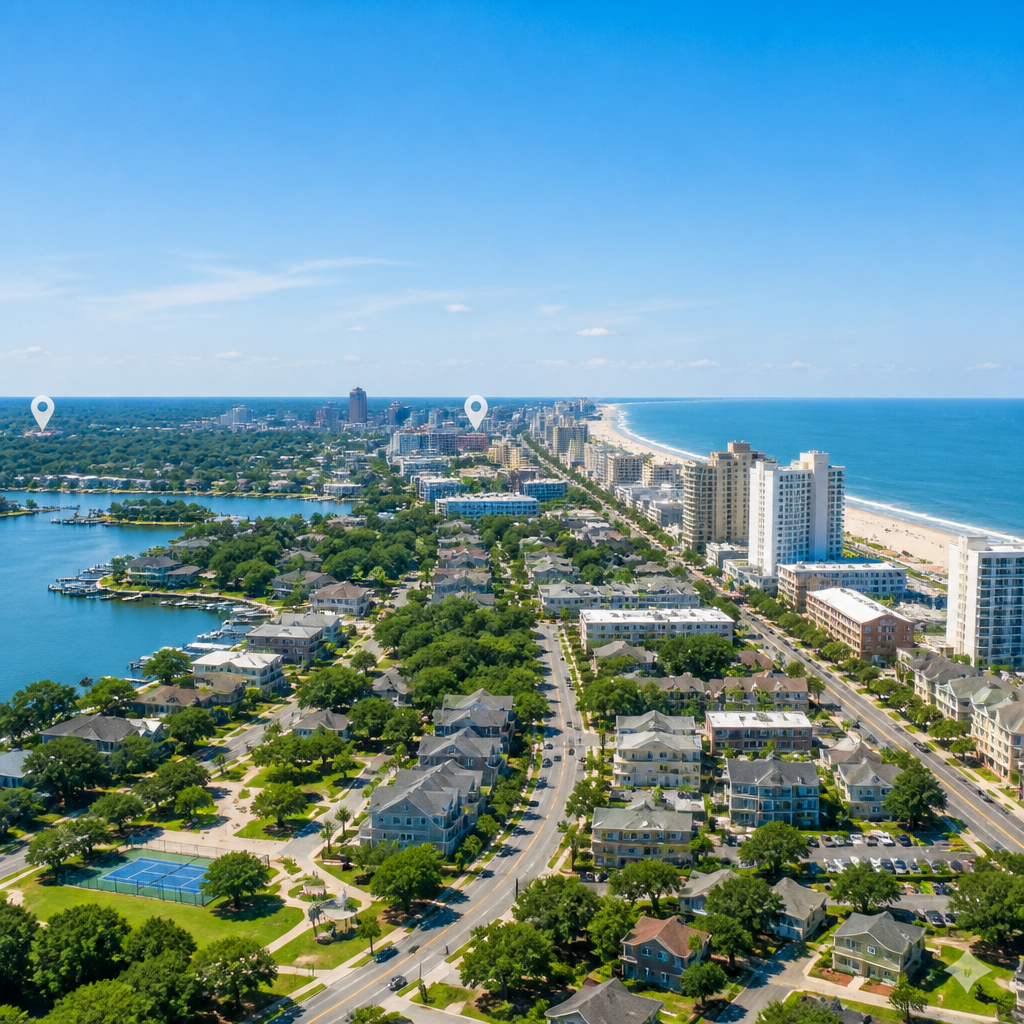
Virginia Beach Neighborhood Guide: Explore the Best Areas to Live in 2026
Virginia Beach Neighborhood Guide: Explore the Best Areas to Live in 2026 Virginia Beach combines oceanfront energy, suburban comfort, and rural calm in one expansive coastal city. According to U.S. Census Bureau QuickFacts, Virginia Beach holds roughly 459,470 residents as of recent estimates, maki